How to stop keyless car theft in Australia
Updated 24 July 2026 · 6 min read
If your car unlocks as you walk up to it, a thief can potentially drive it away in under a minute, without ever touching your key. It's called relay theft, and it's now one of the most common ways late-model cars are stolen in Australia. The good news: the fixes are cheap, and layering two or three of them makes your car a poor target.
How relay theft actually works
Keyless ("proximity") fobs are always broadcasting a short-range signal. Two thieves work as a pair: one stands near your front door with a relay device that captures the fob's signal through the wall, and a second stands by the car with a booster that replays it. The car thinks the key is present, unlocks, and starts. No window is broken and no alarm is triggered, which is exactly why it's so common.
The weak point isn't your car's security. It's that the key keeps talking even while it sits in a bowl by the front door overnight. Stop the key from broadcasting, and the whole attack falls apart.
Block the signal
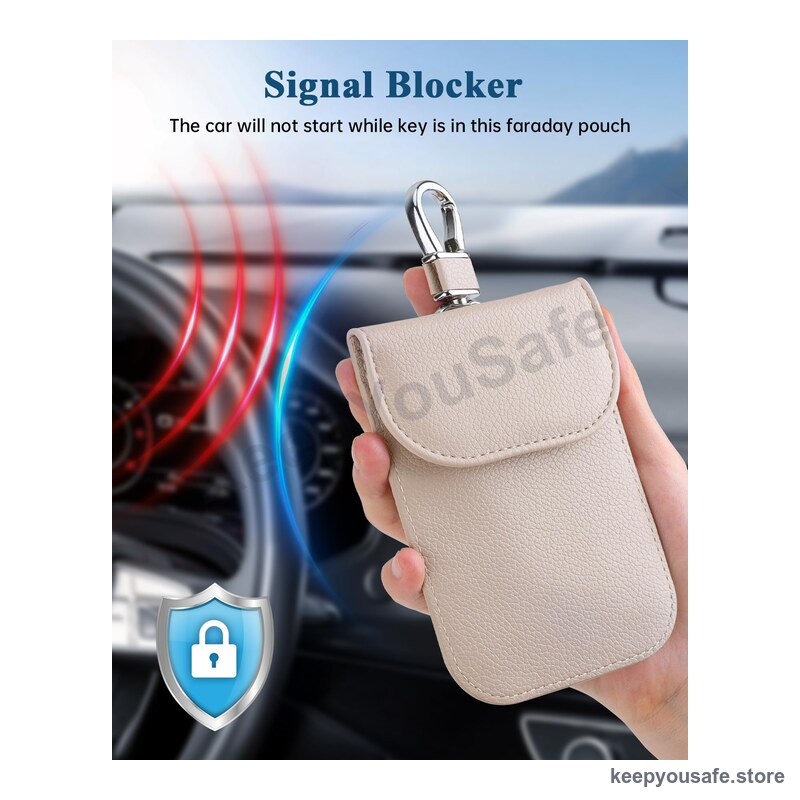
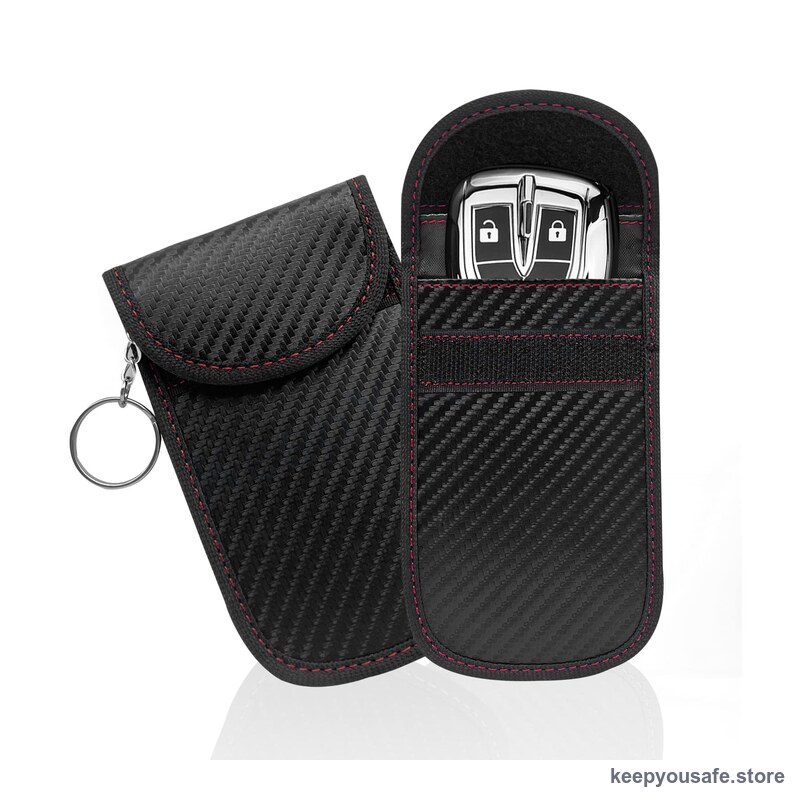
A Faraday pouch is a small signal-blocking sleeve. Drop your key in it overnight (or whenever you're not driving) and the relay device has nothing to capture, so the car simply can't be woken up. It's the single most effective few-dollars step you can take, and it works on every keyless car.
Get one for each key in the house, including the spare. A spare fob left broadcasting in a kitchen drawer is just as exploitable as the one by the door.
Be able to find it if it's taken
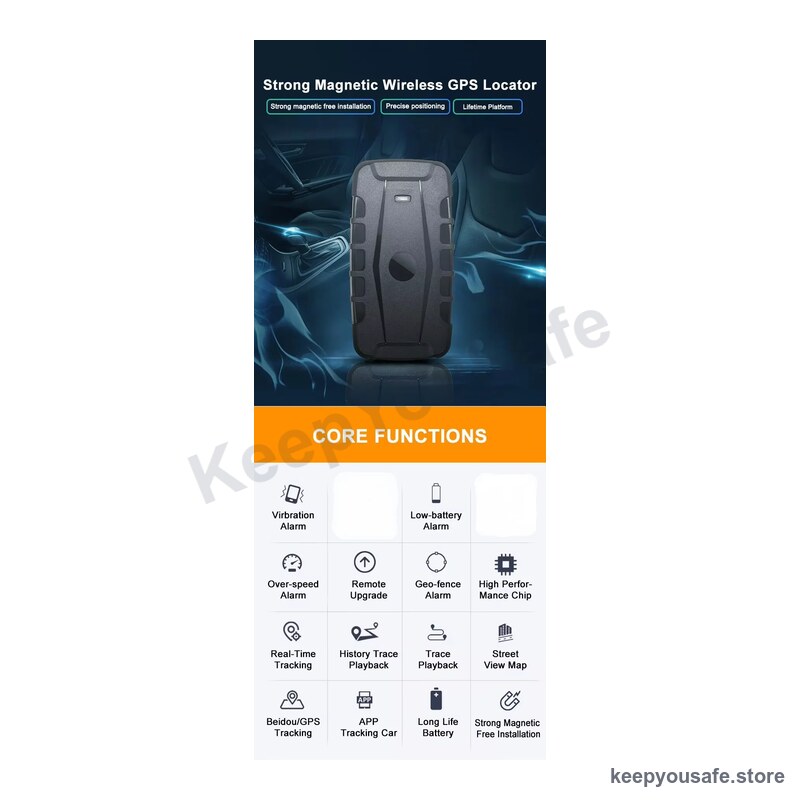
No deterrent is perfect, so plan for recovery. A small 4G GPS tracker, hidden in the car, reports its real-time location to your phone and can alert you the moment the car moves unexpectedly. It turns a stolen car from "gone" into "here's exactly where it is" for police.
Hide it somewhere non-obvious and keep it charged (or hard-wire it). A magnetic tracker can sit under a seat, in the boot lining, or in the engine bay.
Add a visible deterrent
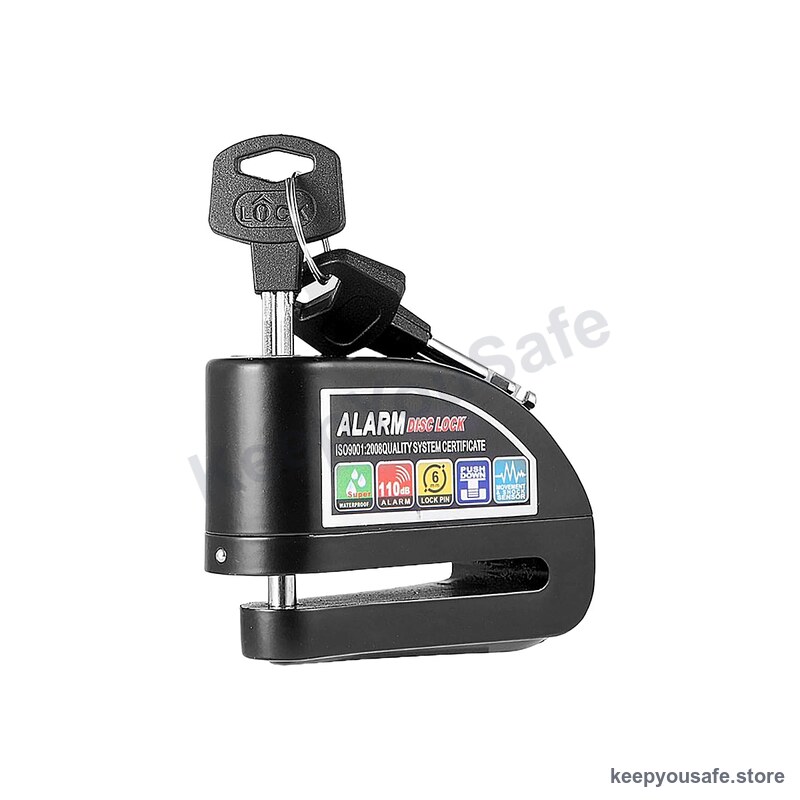
Thieves choose the easy car. A visible physical lock or an audible alarm makes yours the one they skip. Disc and cable locks are quick to fit, and even a warning sticker changes the risk calculation. Layering a signal block, a tracker and one visible deterrent covers the three things that matter: prevention, recovery and deterrence.
Frequently asked
Do Faraday key pouches actually work?
Yes. A quality signal-blocking pouch stops the fob's radio signal from escaping, so a relay device has nothing to capture and the car can't be woken. Test yours: with the key sealed inside, stand next to the car. It should not unlock on approach.
Will a signal-blocking pouch damage my key?
No. It only blocks the radio signal while the key is inside; it doesn't affect the battery or electronics. The key works normally the moment you take it out.
My car isn't keyless. Am I still at risk of relay theft?
Relay theft specifically targets keyless proximity fobs. If you physically insert and turn a key, you're not exposed to this attack, though a tracker and a visible lock are still worth having for older cars, which are stolen the old-fashioned way.
Shop the range
Compare products and check the details
Browse the full rangeThis guide is general safety information, not professional advice. For gas, electrical or structural work, use a licensed Australian tradesperson. Safety devices reduce risk but never remove it.