Personal safety alarms: a no-nonsense guide
Updated 24 July 2026 · 5 min read
A personal safety alarm is a small device that makes a very loud noise on demand, enough to startle an attacker, draw attention, and buy you the seconds you need to get away. It's the most affordable piece of everyday safety gear there is, it's legal to carry anywhere in Australia, and it works for walking home, travelling, running, or handing to a teenager or older relative for peace of mind.
How they work, and why loud matters
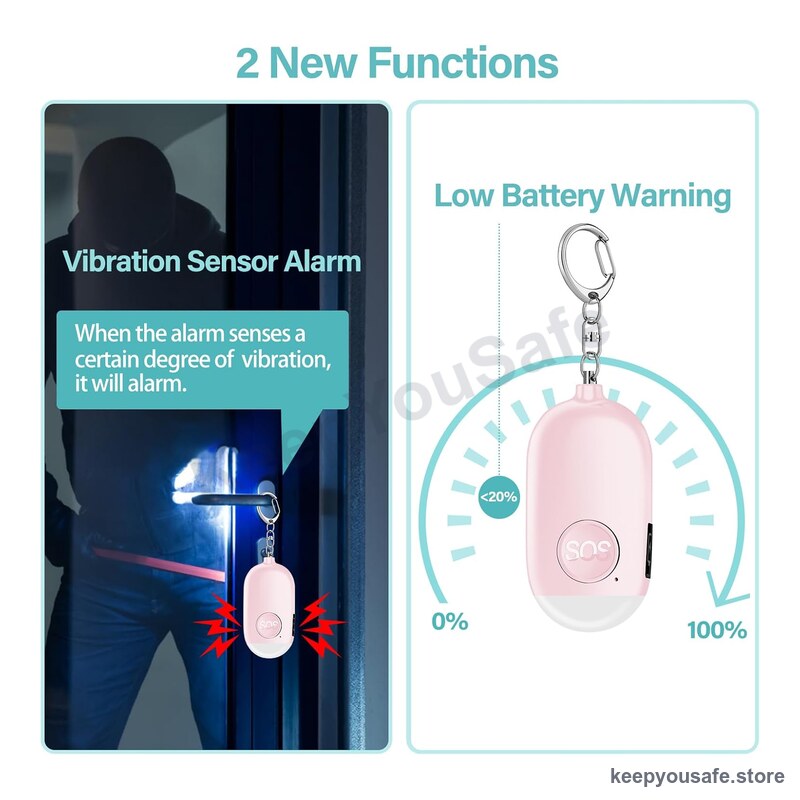
A personal alarm is triggered by pulling a pin or pressing a button, and it sounds a piercing siren, typically 120 to 130 decibels, about as loud as a jet at close range. The point isn't to hurt anyone; it's that attackers rely on quiet and surprise, and a sudden, inescapable noise removes both. It tells everyone nearby that something is wrong and makes you a far harder target.
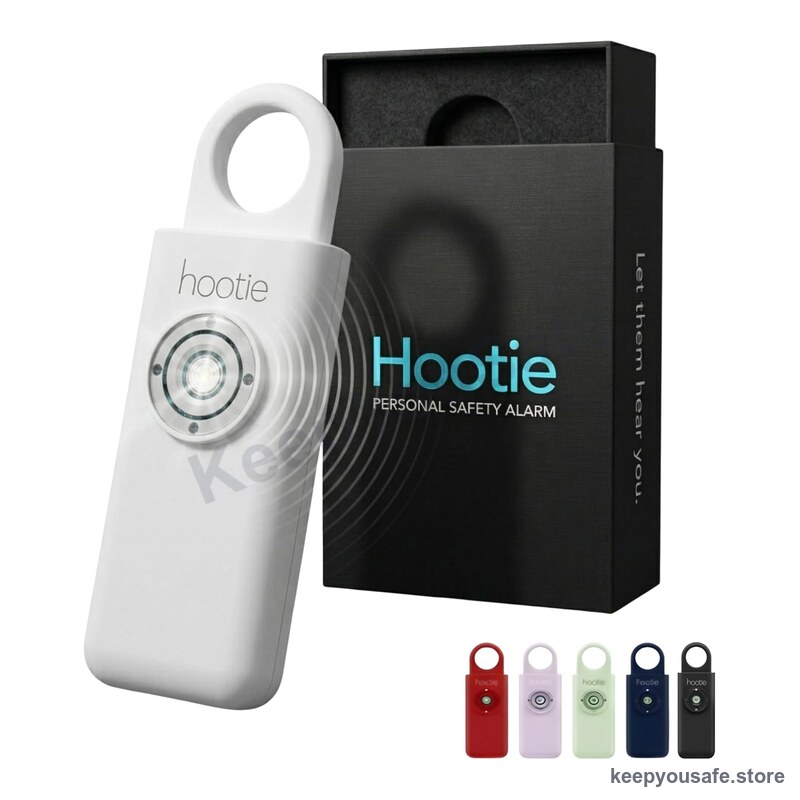
Louder is better, and a built-in LED light is a genuinely useful bonus for finding your way or signalling. Rechargeable models save you fiddling with batteries.
Choosing the right one for the person
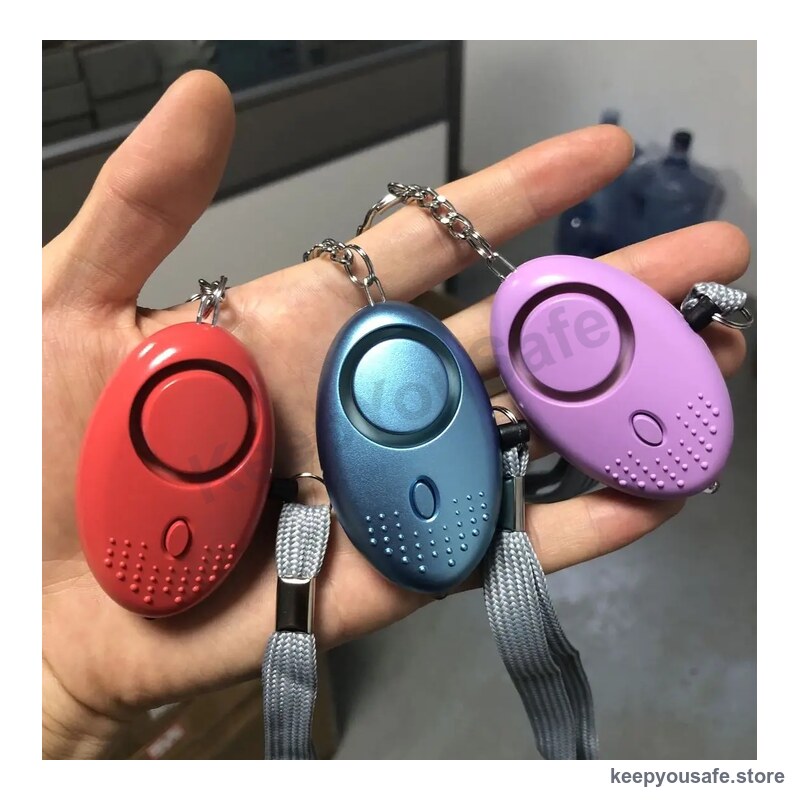
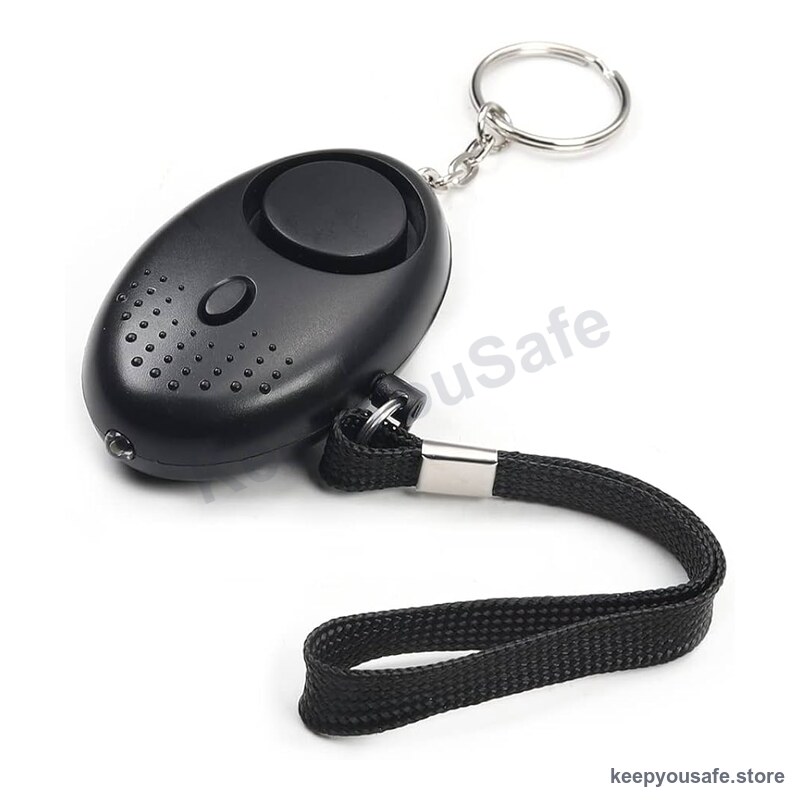
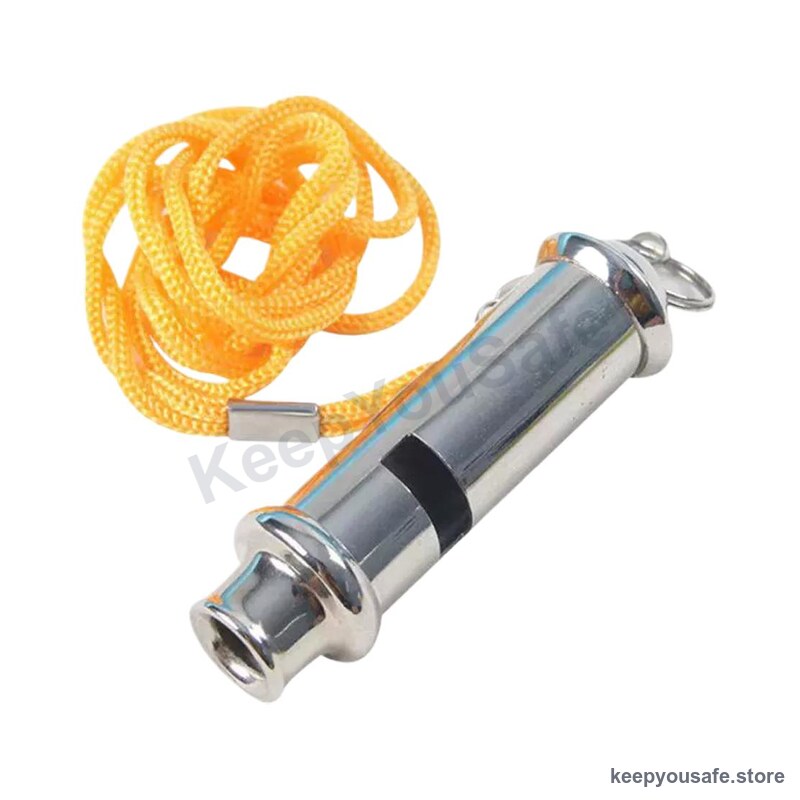
For everyday carry, a keyring alarm that clips to your keys or bag is always to hand, and the best alarm is the one you actually have with you. A mini alarm is easy for smaller hands or a child's schoolbag. Even a simple dual-tone safety whistle is a no-battery backup worth having in a car or pack.
Safety at home and while travelling
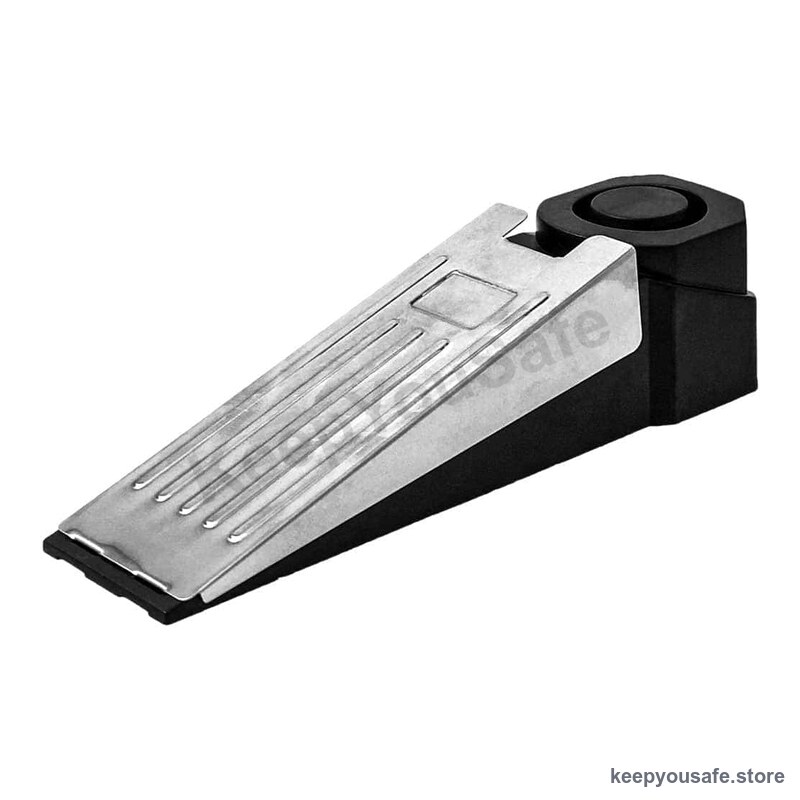
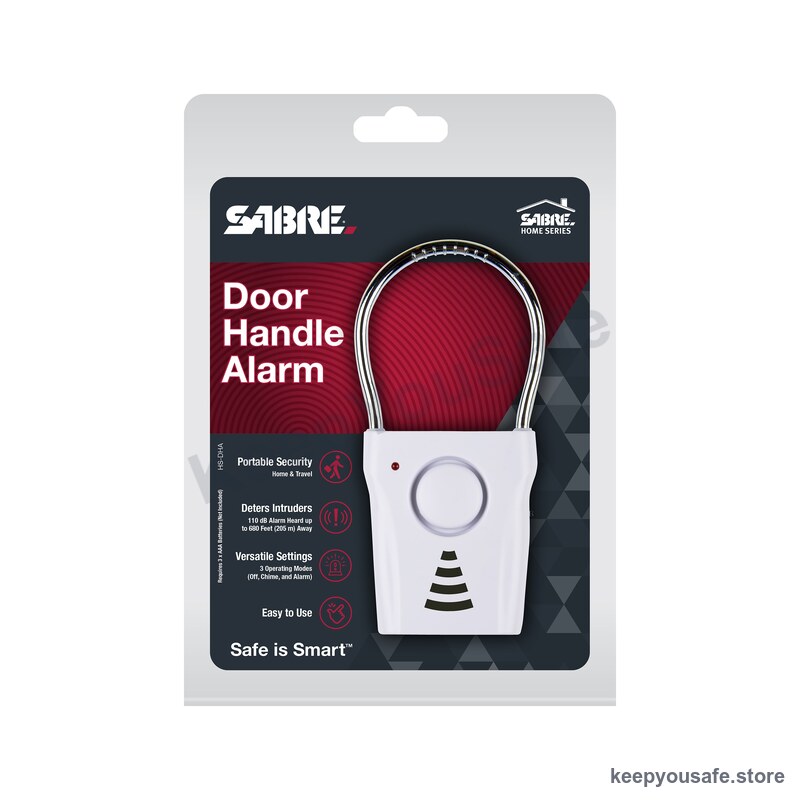
The same idea works on a door. A door stop alarm wedges under a hotel, dorm or bedroom door and shrieks if anyone tries to push it open, which is ideal for travellers and anyone who wants an extra layer overnight. A portable travel door alarm does the same job hung on the handle, with nothing to install.
Frequently asked
Are personal alarms legal to carry in Australia?
Yes. Unlike pepper spray or other defensive weapons, a personal alarm is just a loud noise-maker, so it's legal to carry and use anywhere in Australia, by anyone, including children and teenagers.
How loud is loud enough?
Look for 120 decibels or more; 130dB is better. At that level the sound is genuinely hard to ignore or stay near, which is the whole point: it disorients an attacker and draws attention from everyone around you.
What should I actually do if I use it?
Trigger it, move toward people or light, and keep moving. The alarm buys you distance and attention, so use those seconds to get to safety rather than staying to confront anyone.
Shop the range
Compare products and check the details
Browse the full rangeThis guide is general safety information, not professional advice. For gas, electrical or structural work, use a licensed Australian tradesperson. Safety devices reduce risk but never remove it.