Keeping elderly parents safe at home, on a budget
Updated 24 July 2026 · 7 min read
Most older Australians want to stay in their own home, and most families want that too. The worry is what happens if something goes wrong when nobody's there. You don't need an expensive monitored service to take a big bite out of that risk. A handful of affordable devices covers the three things that matter most: calling for help, preventing falls, and staying on top of medication.
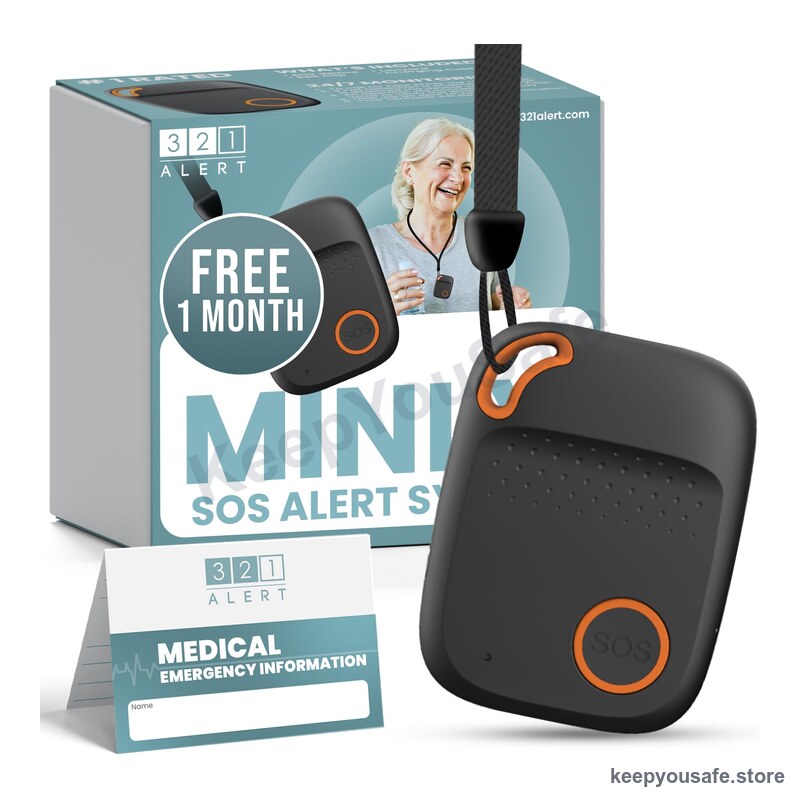
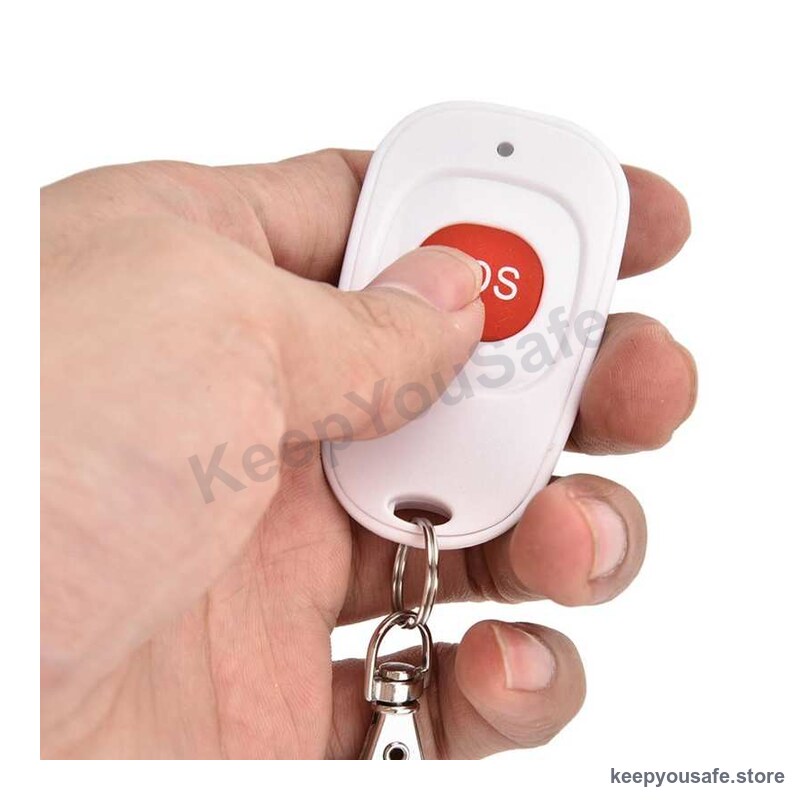
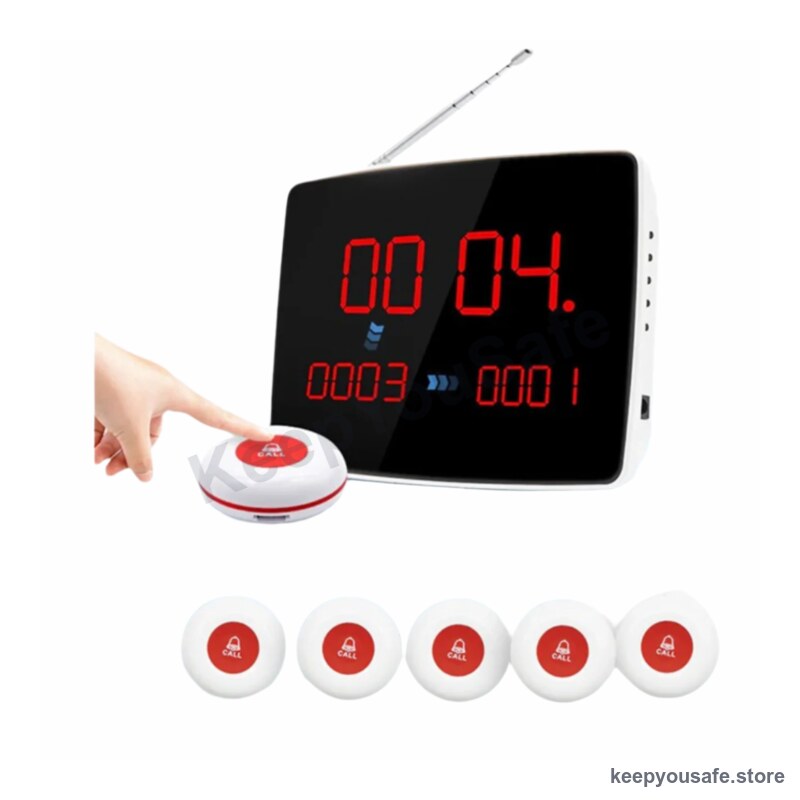
A way to call for help, anywhere
The single most valuable device is a reliable way to raise the alarm. For someone who's out and about or in a big house, a 4G SOS pendant with fall detection auto-dials family (and sends a location) on a button press or a detected fall, with no home base needed. For a smaller home, a simple wireless panic button or call button by the bed or in the bathroom lets them summon help from the spot where falls most often happen.
Prevent the fall in the first place
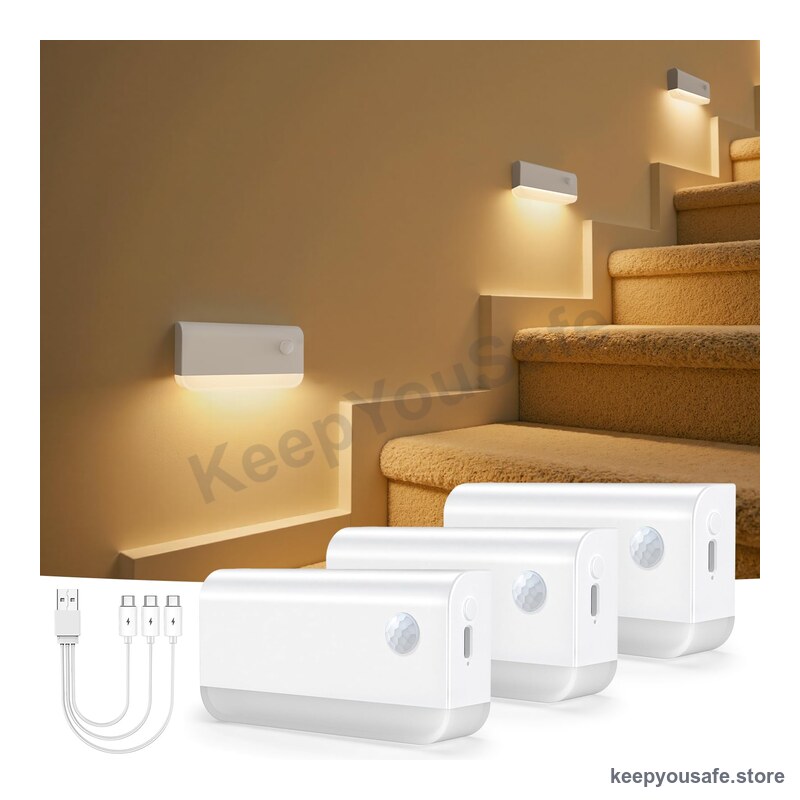
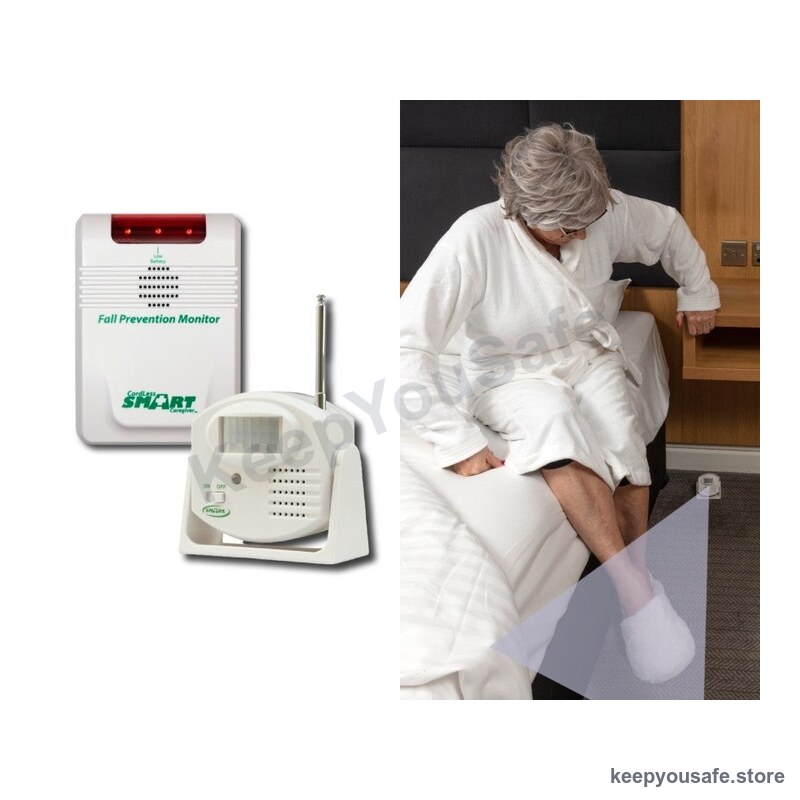
Most serious incidents start with a night-time fall. Motion-sensor night lights make the path to the bathroom visible without fumbling for a switch. A bed or chair exit sensor pages a carer the moment someone gets up, so help can be there before a wander turns into a fall, which is especially valuable for anyone with dementia.
Medication, on time, every time
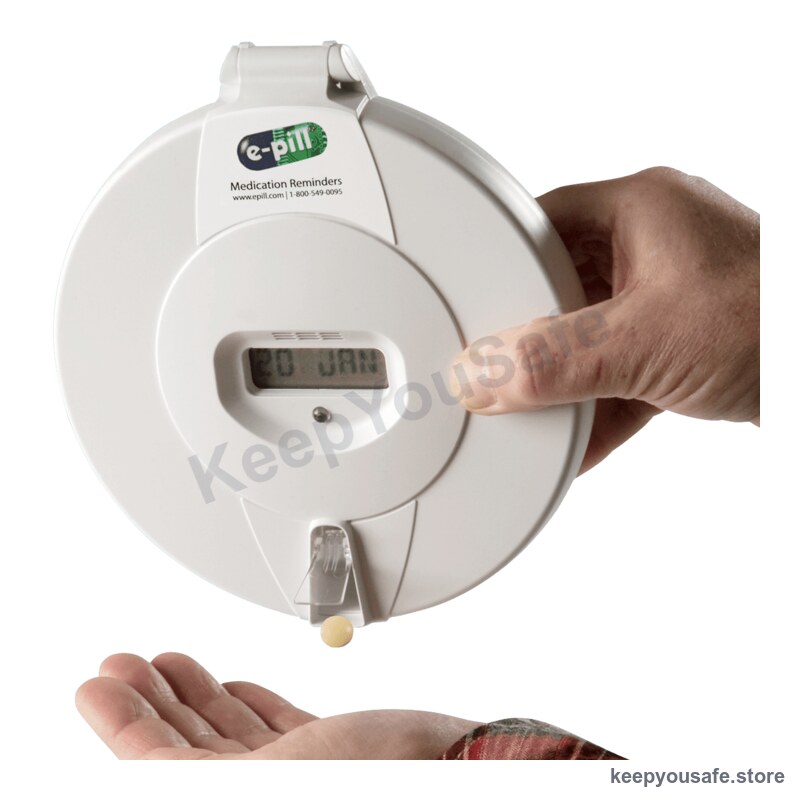
Missed or doubled-up medication is a quiet but common danger. An automatic pill dispenser releases only the right dose at the right time and alarms until it's taken, which removes the guesswork for both the person and the family checking in.
If they're found unwell
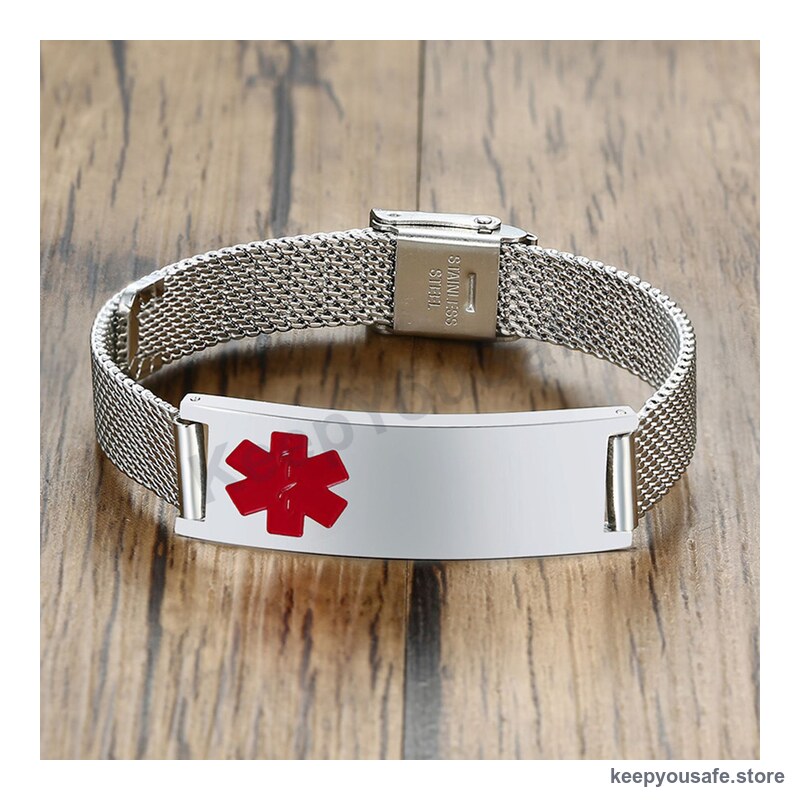
A medical alert ID bracelet quietly does its job in an emergency: it tells paramedics about conditions, allergies and medications when the wearer can't. It costs almost nothing and can change the care they get in the first critical minutes.
Frequently asked
Do these replace a professionally monitored medical alarm?
They're a low-cost alternative that alerts family directly rather than a paid monitoring centre. For many families that's exactly what they want; if 24/7 professional monitoring is needed, treat these as a complement to it, not a replacement.
Does the SOS pendant need a SIM?
Yes. The 4G pendant uses the mobile network to call and send location, so it needs a nano-SIM with a small plan. The simple panic and call buttons work over their own local link to a pager and need no SIM.
What's the most important thing to start with?
A dependable way to call for help, either a pendant or a panic button, plus night lights to prevent the falls that cause most call-outs. Add the bed sensor and pill dispenser from there.
Shop the range
Compare products and check the details
Browse the full rangeThis guide is general safety information, not professional advice. For gas, electrical or structural work, use a licensed Australian tradesperson. Safety devices reduce risk but never remove it.