Carbon monoxide alarms in Australia: do you need one?
Updated 24 July 2026 · 6 min read
Carbon monoxide (CO) is a colourless, odourless gas produced whenever fuel doesn't burn completely, and it can be dangerous well before anyone notices a thing. It's often confused with smoke, but they're different hazards detected by different devices. This guide covers where CO comes from in an Australian home, whether you need an alarm, and how it fits alongside your smoke alarm.
Where carbon monoxide comes from
CO is produced by anything that burns gas, wood, petrol or oil. In and around the home that means gas heaters and cooktops, gas hot-water systems, wood fireplaces, and (a big one) a car left running in an attached garage. Faulty or poorly ventilated gas heaters are the classic cause: an unflued or cracked heater can quietly raise CO levels in a closed-up winter room.
Because you can't see or smell it, the only reliable warning is a detector that sounds before levels become dangerous.
Is a CO alarm required by law in Australia?
Unlike smoke alarms, which are mandatory in every Australian home, CO alarms are not currently required by law in most residential situations. But safety authorities and gas-heater manufacturers strongly recommend one wherever there's a gas appliance or an attached garage. "Not mandatory" is not the same as "not needed": CO poisoning sends Australians to hospital every winter.
If you rent, run gas heating, or park in an attached garage, a CO alarm is one of the cheapest pieces of genuine safety equipment you can own.
CO alarm vs smoke alarm vs gas detector
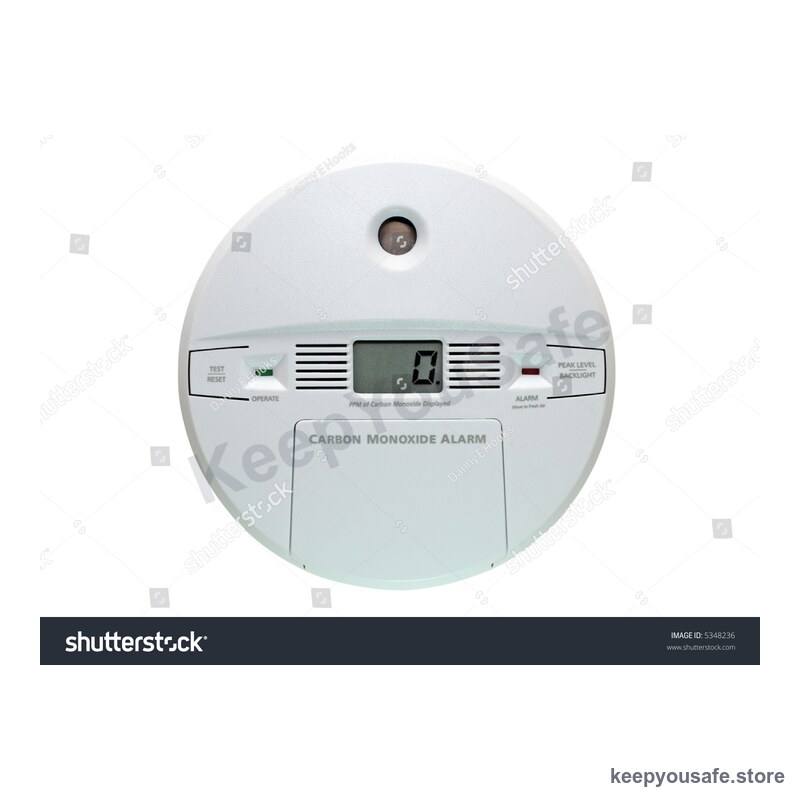
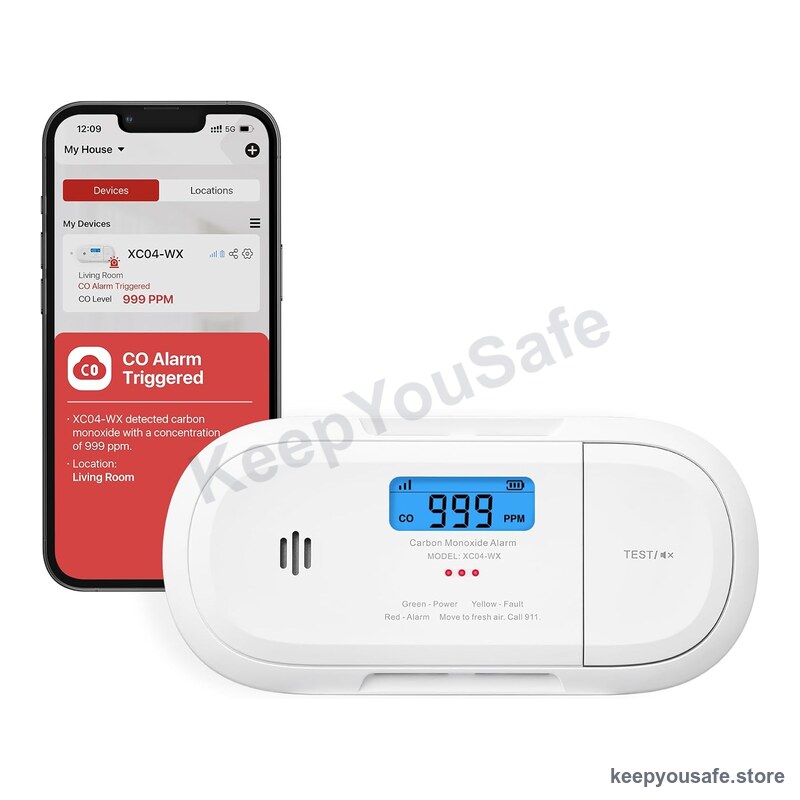
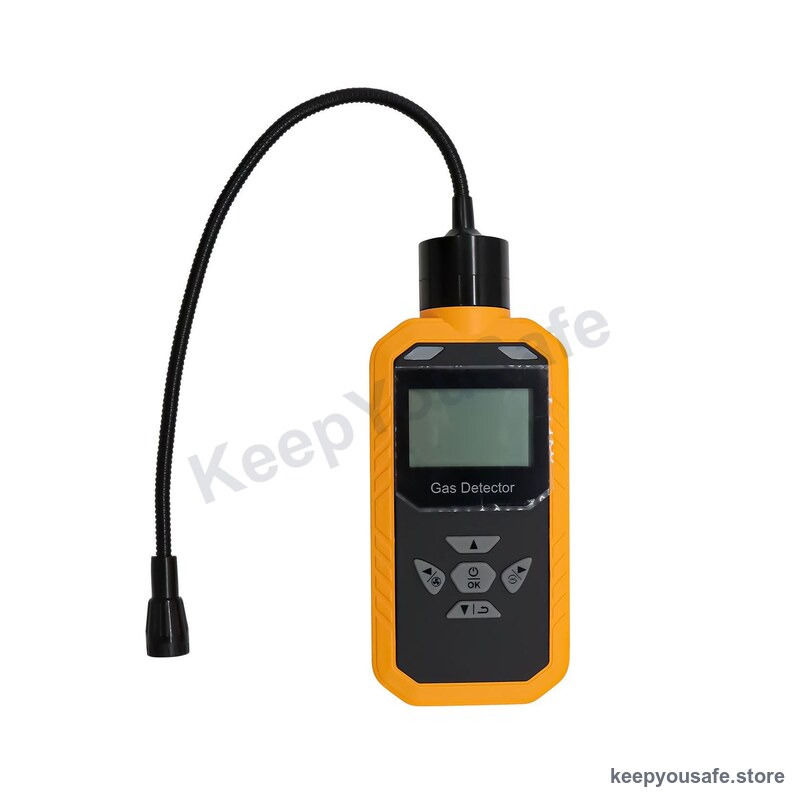
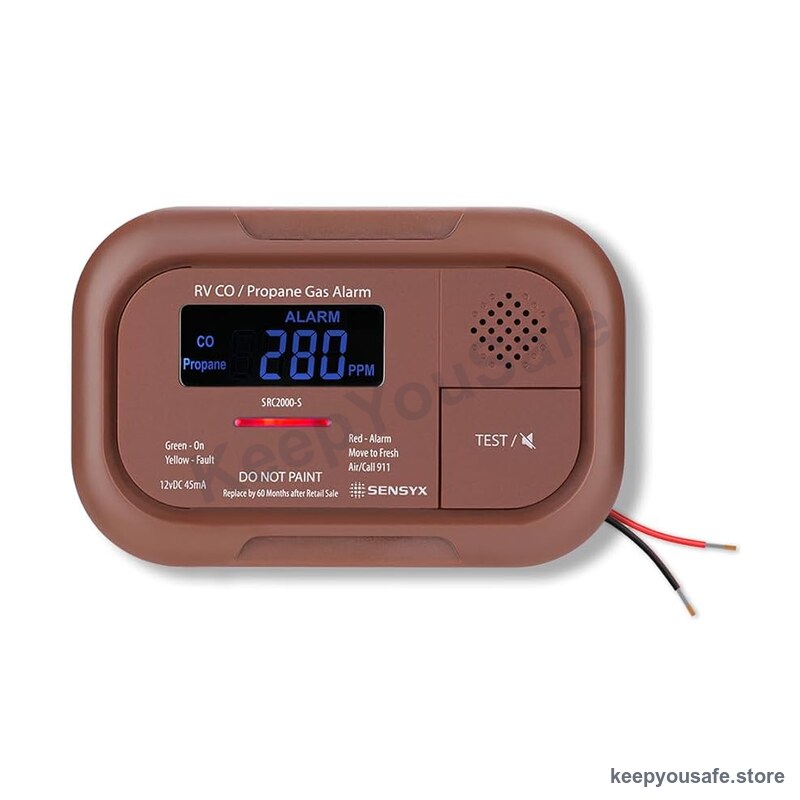
These are three different jobs. A smoke alarm detects the particles from a fire. A carbon monoxide alarm detects CO from incomplete combustion. A gas leak detector senses unburnt LPG or natural gas escaping from a fitting or appliance. One does not replace another, and a home with gas appliances ideally has all three.
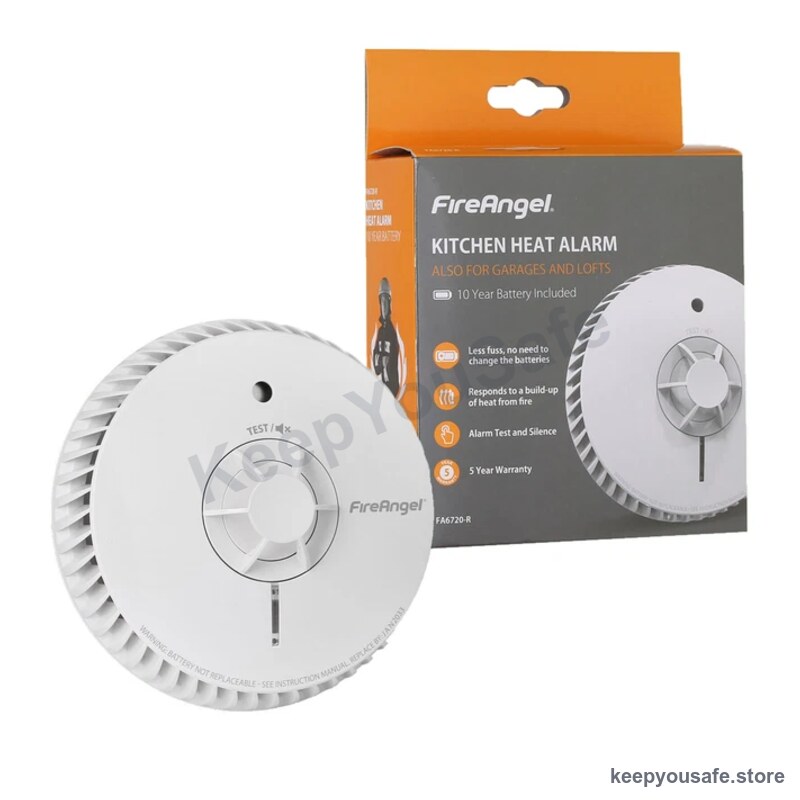
Important: we stock CO alarms, gas leak detectors and heat alarms, but not primary smoke alarms. A compliant smoke alarm should meet the Australian Standard (AS 3786) and is best bought from a certified supplier. Treat your smoke alarm as the non-negotiable base layer, and add CO and gas detection on top.
Where to put a CO alarm
Place a CO alarm in or near sleeping areas and in the room with your main gas appliance, roughly at breathing height. Keep it a little away from the appliance itself (about 1 to 3 metres) so it reads the room, not a harmless start-up puff. Avoid dead-air corners, and don't tuck it behind curtains or furniture. Test it monthly and replace it at the end of its sensor life.
Frequently asked
Is a carbon monoxide alarm required by law in Australia?
In most homes, no. CO alarms are not legally mandated the way smoke alarms are. But they're strongly recommended wherever there's a gas appliance, gas heating, or an attached garage, because CO is invisible and a smoke alarm won't detect it.
Do I still need a CO alarm if I have a smoke alarm?
Yes. A smoke alarm detects fire particles; it does not detect carbon monoxide. They're separate hazards and separate devices, so if you have gas appliances, you want both.
Where should a CO alarm be installed?
Near sleeping areas and in the room with your main gas appliance, at about breathing height, and roughly 1 to 3 metres from the appliance so it monitors the room rather than a harmless start-up puff. Test it monthly.
Shop the range
Compare products and check the details
Browse the full rangeThis guide is general safety information, not professional advice. For gas, electrical or structural work, use a licensed Australian tradesperson. Safety devices reduce risk but never remove it.